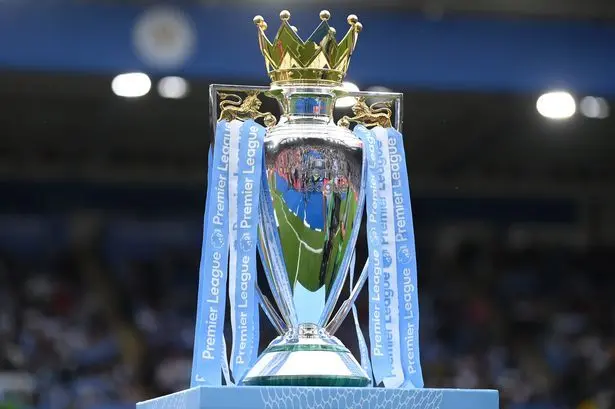
The January window opens on 1 January 2026 and the Premier League’s traditional Big Six are already scribbling in the margins.
Arsenal, Manchester City, Chelsea, Liverpool, Manchester United and Tottenham Hotspur each arrive at the midseason crossroads with distinct problems to solve; tactical gaps, injury concerns and underperforming signings that could define the title race and the hunt for European glory.
Arsenal: What they must find to finish the job
Arsenal sit atop the table, the most complete squad the club has boasted since the Invincibles era, and a £250 million summer splurge has them in genuine title contention.
Yet beneath the depth in defence and attack lies a fragile truth: creativity in midfield is thin and there is no true deputy for captain Martin Ødegaard.
Problem: Ødegaard’s fitness has been fragile this season, and without him Arsenal lose the spark that unlocks defences.
Priority: Short-term, intelligent cover for the captain — a creative midfielder who can slot in without disrupting Mikel Arteta’s system.
How to do it: A loan makes sense: a seasoned, adaptable playmaker who accepts a Plan B role until Ødegaard returns to full fitness. Homegrown prospects like Max Dowman are exciting but not yet ready to carry the load.
Arsenal must balance prudence with ambition: reinforce the midfield without upsetting the harmony that has propelled them to the summit.
Manchester City: Where Guardiola still needs reinforcements
Even after spending heavily across 2025, Manchester City’s blueprint still shows gaps. Pep Guardiola’s machine hums, but it creaks in places: fullback quality, midfield insurance for Rodri and attacking depth beyond Erling Haaland.
Problem: Rodri’s limited appearances since his ACL injury and the risk of Haaland absences expose City’s thin spots.
Priority: A top-class right back, midfield reinforcements who can cover Rodri’s role, and a forward who can share the goalscoring burden.
How to do it: With financial firepower and recent prize money cushioning the books, City can move quickly. Targets with release clauses or players not tied to international tournaments in January would be ideal to avoid disruption.
City’s January must be surgical: buy the right pieces that keep the title tilt relentless and the squad rotation seamless.
Chelsea: Fixing the mismatch between need and signings
Chelsea’s transfer story since 2022 has been noisy and unpredictable. Enzo Maresca inherits a squad heavy on attackers but light in the spine: goalkeeper, central defence and central midfield remain priorities if Chelsea are to sustain a genuine title push.
Problem: Overcrowded forward lines but insufficient quality in goal and at centre back.
Priority: A world-class goalkeeper and a commanding centre back, plus dependable cover at left back.
How to do it: January offers leverage: players entering the final months of contracts or clubs out of Europe could be tempted by sizeable offers. Chelsea must resist the siren call of another striker unless it truly solves a glaring need.
If Chelsea can translate scouting clarity into decisive bids, January could be the month they finally align spending with strategy.
Liverpool, Manchester United, Tottenham: Mid-season repair jobs
Liverpool, Manchester United and Tottenham arrive at January with different flavours of urgency. Each splashed cash in the summer but inconsistent results and underwhelming form mean managers Arne Slot, Ruben Amorim and Thomas Frank need targeted fixes rather than headline signings.
Common problems: Misfiring attackers, midfield balance issues and defensive lapses.
Common priorities: Short-term solutions that restore confidence — a creative spark, a reliable centre back, or a forward who can convert chances.
How to do it: Smart loans, bargain buys and players with immediate Premier League experience will be the quickest route back to stability.
For these three, January is less about revolution and more about surgical repair.
Manchester United: What they need
Manchester United arrived at midseason with summer signings that promised a reset; Senne Lammens, Matheus Cunha, Bryan Mbeumo and Benjamin Šeško; yet Ruben Amorim still faces a squad that feels unfinished. The blueprint is clear: two midfield reinforcements and wingbacks built for his 3-4-3 engine.
The midfield needs bite, creativity and stamina both centrally and out wide, and the club must find players who can slot in immediately and elevate the tempo.
Complicating the plan is the African Cup of Nations exodus.
The likely January absences of Mbeumo, Amad Diallo and Noussair Mazraoui will sap depth and make any early departures risky. Players linked with exits — Kobbie Mainoo and Joshua Zirkzee among them — must remain available if Amorim is to avoid a manpower crisis.
How they can do it
United are operating with limited financial headroom, so January business must be surgical. The club will listen to offers for Mainoo, Zirkzee, Manuel Ugarte and Tyrell Malacia, but selling before AFCON ends on January 18 would leave the squad dangerously thin. If the board can unlock funds, targets such as Elliot Anderson, Adam Wharton, Carlos Baleba or Angelo Stiller are on the wishlist — though only Stiller looks realistically affordable and available early in the window.
Expect a patient approach: Pragmatic short-term loans or bargain buys that shore up midfield without sacrificing depth, with the second half of January likely to be busier once AFCON returns are processed.
Liverpool: What they need
After a summer splurge of roughly £450m, Liverpool should have been able to close the shop. Instead, the Anfield arrivals have yet to consistently deliver, leaving Arne Slot with glaring holes. The failure to land Marc Guéhi left the centre-back position exposed, midfield balance remains unsettled, and the team still misses the craft and unpredictability of Luis Díaz on the wing.
How they can do it
Money is not the problem for Liverpool; deployment is. With significant funds raised from departures and Premier League prize money, the club can compete for targets like Antoine Semenyo and will likely renew interest in Guéhi. Palace face a January decision on the defender, and Liverpool could move early to secure cover at centre back rather than wait for a summer free transfer. Expect an active window focused on Premier League-ready additions that plug immediate gaps and restore cohesion rather than headline-grabbing experiments.
Tottenham Hotspur: What they need
Tottenham arrive in January under pressure. Booed and scrutinised, Thomas Frank’s side looks like it could use reinforcements across the pitch, but the club has already invested heavily in recent windows. Long-term injuries to Dejan Kulusevski and James Maddison have stung, yet replacing players who will eventually return is a risky strategy. With summer additions such as Mathys Tel, Randal Kolo Muani, and Mohammed Kudus, the most sensible January move would be a proven goalscorer to ease the burden on Richarlison and the injury-hit Dominic Solanke.
How they can do it
A £100m cash injection in October strengthened the balance sheet but was earmarked for stability, not transfer splurges. That limits Tottenham’s firepower in January. One potential route is market movement: Everton’s interest in Richarlison could unlock a chain reaction that brings Ivan Toney back to the Premier League from Saudi Arabia. Spurs lack many sellable assets to raise big fees, and the window will be navigated without the steadying hand of Daniel Levy, making decisive business harder to execute.































Comments
Sign in with Google to comment, reply, and like comments.
Continue with Google